
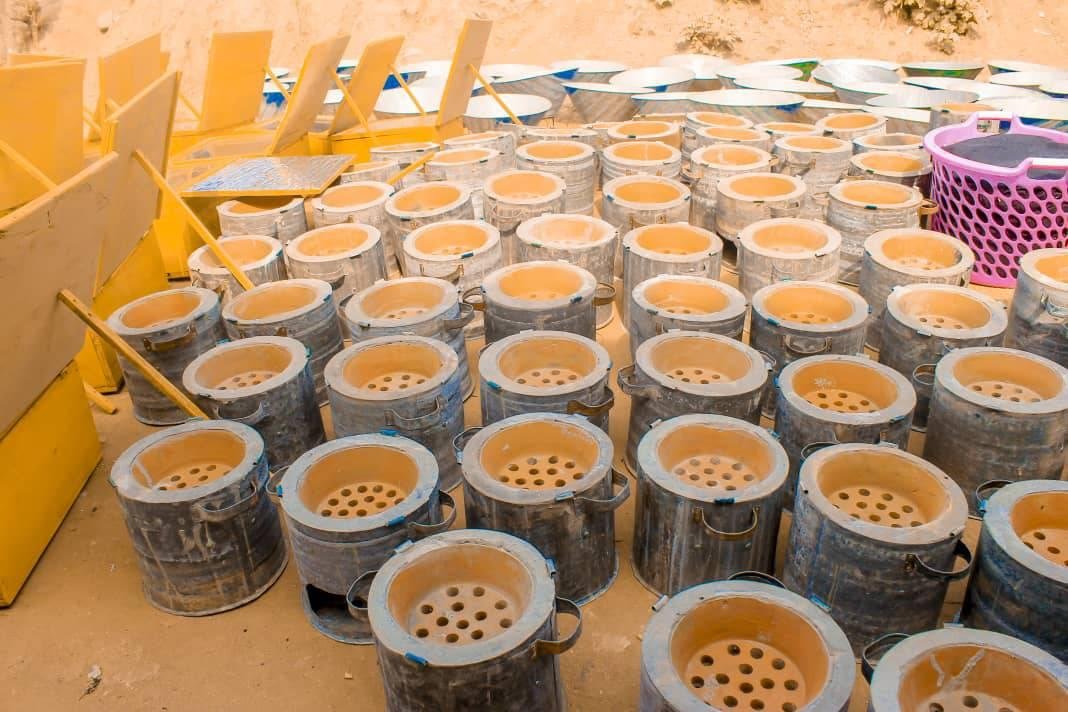
Energy-efficient processing, clean cookstoves and value-chain electrification to cut post-harvest losses and save energy across Tanganyika.
Project snapshot
-
Operational area: Tanganyika (Kalemie, Kabalo, Moba, Manono, Kongolo).
-
NFI evidence: NFI’s interventions have contributed to 80,958,967 kWh saved across NFI’s food value-chain activities — this project scales those approaches in Tanganyika.
Goals (2-year)
-
Reduce energy consumption in key processing steps (drying, milling, cooking) by 30–60% through improved equipment and workflow.
-
Cut post-harvest losses by 25% for targeted commodities via improved drying and storage.
-
Establish 8 community processing hubs with energy-efficient equipment and enterprise linkages.
Core activities
-
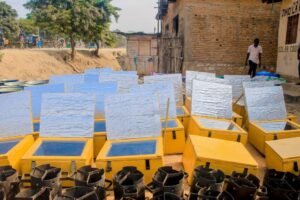
Equipment upgrades: Introduce improved dryers, insulated ovens, efficient grinders and fuel-efficient stoves adapted to local crops and volumes.
-
Process optimization: Reorganize the processing chain (batch scheduling, pre-drying, solar dryer integration) to reduce energy per unit processed.
-
Training & enterprise support: Business & technical training for hub managers and women-led processors; packaging and market preparation.
-
Energy monitoring: Simple metering and monthly energy-use dashboards to track kWh saved and efficiency gains.
Expected outputs & KPIs
-
kWh saved (project target): 1–5 million kWh over 2 years across hubs.
-
Processing hubs established: 6–8 community hubs.
-
Post-harvest loss reduction: target -25% for participating groups.
-
Enterprises supported: 10+ small processors trained and connected to markets.
Timeline
-
Phase 1 (Months 0–4): Needs assessment, equipment selection, partner hub identification.
-
Phase 2 (Months 5–14): Install equipment, train hub teams, start operations and energy monitoring.
-
Phase 3 (Months 15–24): Scale best practices to additional hubs, document case studies, pursue local financing for replication.
Monitoring & evaluation
-
Monthly energy meters, throughput logs, loss audits and business performance tracking. MEL officer coordinates learning and case documentation.