
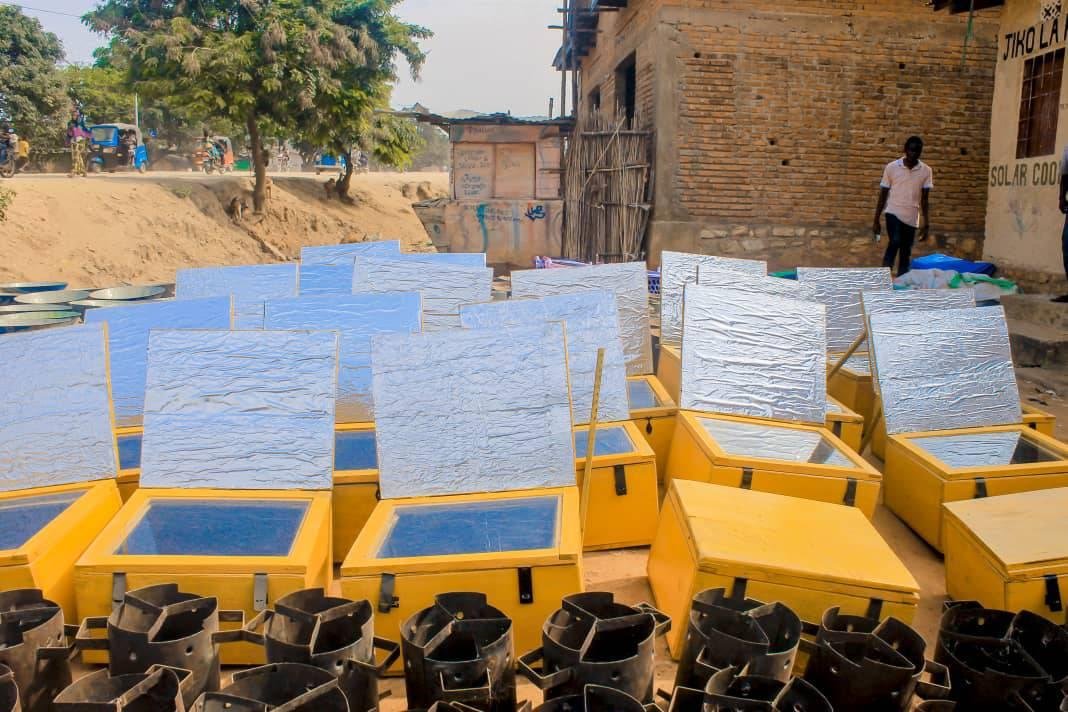
Description
We introduce energy-efficient technologies and renewable-energy
solutions across agricultural and food value chains to reduce energy
consumption, lower operational costs and minimise environmental
impact.
Our interventions include energy-efficient food-processing equipment,
clean cookstoves and the electrification of essential value-chain
activities. These solutions support farmers, processors, cooperatives
and food businesses in improving productivity while reducing their
dependence on expensive and polluting energy sources.
We promote efficient technologies for drying, milling, cooling,
refrigeration, storage, packaging and transportation. Where possible,
these systems are powered by renewable-energy sources such as solar
energy, helping businesses operate reliably in rural and off-grid
communities.
Outcomes
Our energy-efficiency interventions have achieved significant energy
savings throughout the agricultural and food value chain, with a total
of 80,958,967 kWh saved.
These savings help lower production and storage costs, reduce food
losses, improve business profitability and decrease greenhouse-gas
emissions. Access to reliable and efficient energy also allows
producers and processors to increase production capacity, maintain
product quality and reach more profitable markets.
Our Offerings
-
Energy-Efficient Processing Equipment:
Introduction of improved technologies for milling, grinding,
drying, heating, cooling, refrigeration and packaging. -
Clean Cookstoves:
Distribution and promotion of efficient cookstoves that use less
fuel, produce less smoke and reduce exposure to harmful indoor air
pollution. -
Value-Chain Electrification:
Support for the electrification of agricultural production,
processing, storage and distribution activities, particularly in
rural and underserved communities. -
Solar-Powered Solutions:
Deployment of solar-powered irrigation, cold storage, drying,
lighting and processing systems for locations with limited access
to reliable electricity. -
Cold Storage and Refrigeration:
Installation of energy-efficient cooling systems that preserve
product quality, extend shelf life and reduce post-harvest losses. -
Energy Assessments:
Evaluation of energy consumption across farming, processing and
storage operations to identify inefficiencies and recommend
practical improvements. -
Technical Training:
Training for farmers, processors and cooperatives on the safe
operation, maintenance and efficient use of clean-energy
technologies. -
Monitoring and Impact Measurement:
Tracking of energy use, operational costs, emissions reductions
and productivity improvements to measure long-term impact.